
Does Your Marketing Need a Boost?
These No-Cost Trainings Will Upgrade Your Strategy so you can scale IN-HOUSE
(So You're Not handcuffed to Unreliable marketing agencies)
These No-Cost Trainings Will Upgrade Your Strategy so you can scale IN-HOUSE!
(So You're Not handcuffed to Unreliable marketing agencies)
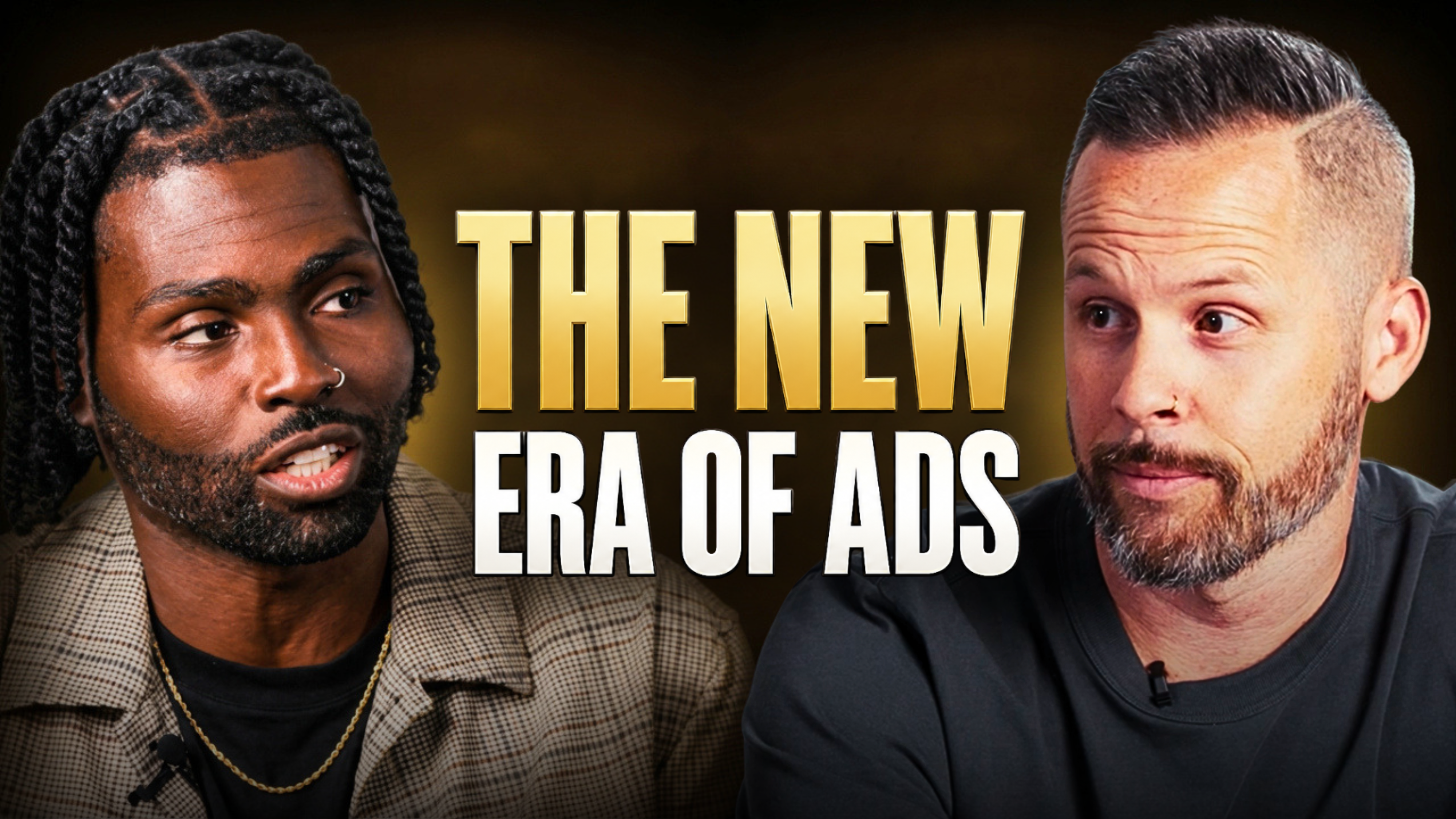
Meta Ads After Andromeda: Why Content Is Now the New Targeting
Meta ads have changed. For many business owners, the biggest question is whether Meta has made advertising easier or harder.
The answer is both simple and uncomfortable: Meta has made the setup easier, but it has also made bad advertising more obvious.
With the Andromeda update, Meta’s AI and machine learning have become better at matching the right content with the right user. That means advertisers no longer need to rely as heavily on complex manual targeting. But it also means the content itself now carries more weight than ever.
In other words, your creative is not just supporting your targeting. Your creative is the targeting.
What Is the Meta Andromeda Update?
The Andromeda update is described in the video as Meta’s way of improving its AI and machine learning so it can better match ad content with the people most likely to respond to it.
Instead of advertisers needing to manually dial in every detail, Meta’s system is getting better at analyzing content and delivering it to users who are most likely to resonate with it.
That sounds like good news, and in many ways, it is.
It means a small business owner with little or no ad experience can now have a more realistic chance of launching profitable ads. The platform has made the technical setup easier.
But there is a catch.
If your content is weak, unclear, boring, generic, or disconnected from your audience, Meta’s system will not save it. The update may actually expose the problem faster.
Why Meta Ads Are Easier to Launch but Harder to Hide Behind
The speakers make a clear point: Meta did not necessarily make ads harder. It made the playing field more even.
More advertisers can now get their ads in front of people. But when more brands have access to the same machine-learning power, the difference comes down to the quality of the content.
That is why bad advertising becomes more obvious.
In the past, advertisers could sometimes rely more heavily on manual targeting, technical tactics, or platform tricks. Today, those things matter less than whether the ad itself speaks directly to the right person.
If the message is not right, the ad will struggle.
If the creative does not capture attention, people will scroll.
If the brand feels generic, the algorithm may put that weakness under a spotlight.
Messaging Is the New Targeting
One of the biggest lessons from the video is this:
Messaging is now the new targeting.
That does not only mean the written ad copy. It also includes:
The words spoken in the video
The visuals used in the ad
The person’s clothing, setting, tone, and aesthetic
The hook in the first few seconds
The overall feeling of the brand
The specific pain, desire, or belief being addressed
Meta’s algorithm is analyzing more than basic text. It is looking at the entire creative experience and asking, “Who is most likely to respond to this?”
That means your content needs to clearly signal who it is for.
If your audience is business owners, the message should sound like it is speaking to business owners. If your audience is parents, fitness buyers, tax clients, or ecommerce shoppers, the content needs to reflect their real-world problems, desires, language, and environment.
Why Content Variety Matters More Than Content Volume
A common misunderstanding about Andromeda is the idea that advertisers simply need “more content.”
But the speakers clarify that more does not only mean more volume. It means more variety.
Posting or testing three nearly identical videos with slightly different scripts is no longer the best approach. If the same person is wearing the same shirt, sitting in the same room, using the same camera angle, and delivering nearly the same message, Meta may interpret those ads as too similar.
Instead, advertisers should create meaningful variation.
For example, you might test:
One video filmed in a car
One video filmed in a kitchen
One video filmed outside
One still-image ad
One carousel ad
One video carousel
Multiple hooks with different emotional angles
The goal is to give Meta different creative signals to work with.
Even the same script can feel completely different when filmed in a different location or delivered with a different visual setup. That variety helps the algorithm identify which message, format, and presentation resonates with different users.
Different Ad Formats Still Matter
Video is powerful, but it is not the only format worth testing.
The video emphasizes that still images still work. Carousels also continue to perform well and can give users multiple pieces of content to interact with.
Advertisers should consider testing:
Video Ads
Video ads are useful for storytelling, education, demonstration, and personality-driven messaging. They are especially helpful when the speaker’s tone, body language, and delivery help sell the idea.
Image Ads
Still images can be simple, direct, and effective. They can work well for clear offers, product visuals, testimonials, or bold statements.
Carousel Ads
Carousel ads allow users to swipe through multiple images or videos. They can be used to explain a process, show multiple benefits, feature products, or walk prospects through a story.
Video Carousels
Video carousels combine motion and sequence, giving Meta more content variations and giving users more ways to engage.
Hooks Are Everything in Meta Ads
The first few seconds of an ad can determine whether the rest of the message ever gets heard.
The speakers stress that if you cannot stop people from scrolling, nothing else matters. Your offer, product, service, story, and sales message only matter if people pay attention long enough to experience them.
That is why hooks are so important.
A hook is the opening moment that grabs attention and creates curiosity. It can be visual, verbal, or both.
Visual Hooks: Stop the Scroll Before You Say a Word
A visual hook is something in the shot that catches attention.
It could be:
An unexpected location
A strange object
A surprising movement
A pattern interrupt
A setting that feels unusual for the industry
A different camera angle or entrance
For example, instead of a car salesman standing normally on a car lot, the video gives the idea of introducing something unexpected into the scene, such as a Nerf gun or water gun. The point is not randomness for the sake of randomness. The point is to interrupt the viewer’s normal scrolling pattern.
When something does not look like what people expect, they are more likely to pause and pay attention.
Verbal Hooks: Use the First 3 to 5 Seconds Wisely
A verbal hook is what you say at the beginning of the ad to pull the viewer in.
The video warns against wasting the opening with phrases like:
“Hey guys, my name is…”
The audience does not care about your name, logo, or company introduction at the start. They care about what you can do for them.
Your opening should immediately connect to their pain, desire, curiosity, or belief.
The Three Main Types of Verbal Hooks
1. Pain-Driven Hooks
Pain-driven hooks call out a problem the audience is already experiencing.
For example:
“Are you struggling to make money online and looking for a better solution?”
Pain hooks work especially well for cold traffic because people who do not know you yet may not trust you to lead them toward a dream outcome. But they may believe you can help them move away from a painful problem.
The video also explains that strong pain hooks should go deeper than the surface-level problem.
Instead of only saying someone is not making enough money, describe the symptoms of that pain.
For example:
They cannot afford vacations with friends.
They feel embarrassed by a visible skin condition.
They are tired of saying no because something is too expensive.
Specific symptoms make the message more emotional and relatable.
2. Contrarian Hooks
Contrarian hooks challenge what people expect.
They combine two ideas that seem like they should not go together.
One example from the video is:
“How to fire your sales team but double your sales.”
That creates curiosity because it sounds contradictory. The audience wants to know how both things can be true at the same time.
Another example shared in the video is:
“The less I post on social media, the more money I make.”
Contrarian hooks are powerful because they create a “wait, what?” moment. They interrupt assumptions and make people want the explanation.
3. Pleasure-Based Hooks
Pleasure-based hooks focus on the desired outcome.
For example:
“Are you looking to double your income in the next 90 days?”
The speakers explain that pleasure hooks can work, but they often perform better when the audience already knows the brand or when the advertiser is retargeting warm prospects.
That is because people who already know you are more likely to believe that you can help them move toward a desired result.
For cold audiences, pain and contrarian hooks may create stronger initial trust and attention.
Why Emotion Beats Logic in Ads
A major theme in the video is that people buy emotionally and justify logically.
Features alone are usually not enough.
The speakers use the example of selling jeans. A logical ad might say the jeans are denim, blue, ripped, and available now. But those are just features.
A more emotional ad would focus on the outcome:
“I have never gotten as many compliments as I have in these jeans.”
That message sells the feeling, not just the product.
The same principle applies to services, coaching, software, consulting, and almost any offer. People want the result. They want the emotional payoff. They want relief, confidence, status, freedom, comfort, pride, or security.
Once they feel emotionally connected, they can justify the purchase logically.
Why Many Businesses Think Ads Do Not Work
The video makes a strong point: ads work, but many businesses are not working them correctly.
When people say Facebook or Instagram ads do not work, the real issue is often poor content, weak hooks, bad messaging, or lack of implementation.
The speakers argue that many business owners are stuck consuming endless videos and tutorials without actually running ads, testing content, and learning from real results.
Information without implementation does not build skill.
At some point, advertisers need to get into the ad account, launch campaigns, study performance, and improve based on data.
Every Business Owner Should Understand Ads
Even if you plan to hire an agency, the video argues that every business owner should have a foundational understanding of advertising.
Without that knowledge, you may not know whether your agency is making smart decisions. You may not know how to evaluate the ads being run. You may not know why performance changes.
The speakers compare it to taking your car to a repair shop. If you know nothing about cars, it is easier for someone to convince you that you need an expensive repair you may not actually need.
The same applies to ads.
You do not need to become a full-time media buyer, but you should understand enough to ask better questions, review creative, evaluate strategy, and protect your business.
The Opportunity Cost of Not Running Ads
One of the strongest points in the video is that the cost of not running ads may be greater than the cost of learning how to run them.
There are people searching for products and services like yours right now. But if they do not know your business exists, they cannot buy from you.
The speakers compare modern ads to old-school, hand-to-hand marketing, such as driving around, passing out business cards, selling tickets in person, or spending hours in DMs.
Those methods can work in the beginning. They can help business owners learn what people care about. But they are difficult to scale.
Ads allow you to reach people where they already are: on their phones, scrolling through social platforms.
Conclusion
Meta’s Andromeda update did not kill ads. It made the platform smarter.
For business owners, that creates a major opportunity. Ads are becoming easier to launch, and Meta’s system is better at finding the right people. But the content has to do its job.
Your creative now carries the targeting. Your hook determines whether people stop. Your message determines whether they care. Your emotional angle determines whether they take action.
The businesses that win with Meta ads today will be the ones that focus less on platform hacks and more on content that speaks directly to the right audience.
Call-To-Action
Start by reviewing your current ads or content through one simple question: does this clearly speak to the pain, desire, or curiosity of my ideal customer in the first three seconds?
If not, create new variations with stronger hooks, better visual variety, and more emotionally specific messaging. And if you want to grow with ads, build a foundational understanding of how Meta advertising works so you can launch, test, and improve with confidence.
Want Help Learning Ads or Building Systems?
7 Step Blueprint To Launching Your First Facebook Ad 👇
https://www.thankyourfa.com/7-step-blueprint
The Most POWERFUL (And Simple) Facebook/Instagram Ads Course In The Game👇
https://www.richfromanywhere.com/accelerator
⭐️Money Back Guarantee Included⭐️
Apply To Work With RFA Directly👇
https://www.richfromanywhere.com/coaching
► Learn more about "Rich From Anywhere"
Website: https://www.richfromanywhere.com
Instagram: https://www.instagram.com/richfromanywhere
Tiktok: https://www.tiktok.com/@richfromanywhere
Direct Email: support@richfromanywhere.com
► Who Is Rich From Anywhere
RFA is your virtual marketing team that cares about the growth of your business just as much as you do. After 10 years of media buying, marketing for 7‑figure companies, and running our own online businesses, we've discovered a very specific marketing formula that produces results over and over again. We call it the RFA Method. Our proprietary RFA Method has already helped hundreds of online businesses, influencers, coaches, and educators grow their business and live a life of freedom doing what they love. Our passion is giving business owners the marketing tools they need to reach more people, make more sales, and as a result, change their life.

Meta Ads After Andromeda: Why Content Is Now the New Targeting
Meta ads have changed. For many business owners, the biggest question is whether Meta has made advertising easier or harder.
The answer is both simple and uncomfortable: Meta has made the setup easier, but it has also made bad advertising more obvious.
With the Andromeda update, Meta’s AI and machine learning have become better at matching the right content with the right user. That means advertisers no longer need to rely as heavily on complex manual targeting. But it also means the content itself now carries more weight than ever.
In other words, your creative is not just supporting your targeting. Your creative is the targeting.
What Is the Meta Andromeda Update?
The Andromeda update is described in the video as Meta’s way of improving its AI and machine learning so it can better match ad content with the people most likely to respond to it.
Instead of advertisers needing to manually dial in every detail, Meta’s system is getting better at analyzing content and delivering it to users who are most likely to resonate with it.
That sounds like good news, and in many ways, it is.
It means a small business owner with little or no ad experience can now have a more realistic chance of launching profitable ads. The platform has made the technical setup easier.
But there is a catch.
If your content is weak, unclear, boring, generic, or disconnected from your audience, Meta’s system will not save it. The update may actually expose the problem faster.
Why Meta Ads Are Easier to Launch but Harder to Hide Behind
The speakers make a clear point: Meta did not necessarily make ads harder. It made the playing field more even.
More advertisers can now get their ads in front of people. But when more brands have access to the same machine-learning power, the difference comes down to the quality of the content.
That is why bad advertising becomes more obvious.
In the past, advertisers could sometimes rely more heavily on manual targeting, technical tactics, or platform tricks. Today, those things matter less than whether the ad itself speaks directly to the right person.
If the message is not right, the ad will struggle.
If the creative does not capture attention, people will scroll.
If the brand feels generic, the algorithm may put that weakness under a spotlight.
Messaging Is the New Targeting
One of the biggest lessons from the video is this:
Messaging is now the new targeting.
That does not only mean the written ad copy. It also includes:
The words spoken in the video
The visuals used in the ad
The person’s clothing, setting, tone, and aesthetic
The hook in the first few seconds
The overall feeling of the brand
The specific pain, desire, or belief being addressed
Meta’s algorithm is analyzing more than basic text. It is looking at the entire creative experience and asking, “Who is most likely to respond to this?”
That means your content needs to clearly signal who it is for.
If your audience is business owners, the message should sound like it is speaking to business owners. If your audience is parents, fitness buyers, tax clients, or ecommerce shoppers, the content needs to reflect their real-world problems, desires, language, and environment.
Why Content Variety Matters More Than Content Volume
A common misunderstanding about Andromeda is the idea that advertisers simply need “more content.”
But the speakers clarify that more does not only mean more volume. It means more variety.
Posting or testing three nearly identical videos with slightly different scripts is no longer the best approach. If the same person is wearing the same shirt, sitting in the same room, using the same camera angle, and delivering nearly the same message, Meta may interpret those ads as too similar.
Instead, advertisers should create meaningful variation.
For example, you might test:
One video filmed in a car
One video filmed in a kitchen
One video filmed outside
One still-image ad
One carousel ad
One video carousel
Multiple hooks with different emotional angles
The goal is to give Meta different creative signals to work with.
Even the same script can feel completely different when filmed in a different location or delivered with a different visual setup. That variety helps the algorithm identify which message, format, and presentation resonates with different users.
Different Ad Formats Still Matter
Video is powerful, but it is not the only format worth testing.
The video emphasizes that still images still work. Carousels also continue to perform well and can give users multiple pieces of content to interact with.
Advertisers should consider testing:
Video Ads
Video ads are useful for storytelling, education, demonstration, and personality-driven messaging. They are especially helpful when the speaker’s tone, body language, and delivery help sell the idea.
Image Ads
Still images can be simple, direct, and effective. They can work well for clear offers, product visuals, testimonials, or bold statements.
Carousel Ads
Carousel ads allow users to swipe through multiple images or videos. They can be used to explain a process, show multiple benefits, feature products, or walk prospects through a story.
Video Carousels
Video carousels combine motion and sequence, giving Meta more content variations and giving users more ways to engage.
Hooks Are Everything in Meta Ads
The first few seconds of an ad can determine whether the rest of the message ever gets heard.
The speakers stress that if you cannot stop people from scrolling, nothing else matters. Your offer, product, service, story, and sales message only matter if people pay attention long enough to experience them.
That is why hooks are so important.
A hook is the opening moment that grabs attention and creates curiosity. It can be visual, verbal, or both.
Visual Hooks: Stop the Scroll Before You Say a Word
A visual hook is something in the shot that catches attention.
It could be:
An unexpected location
A strange object
A surprising movement
A pattern interrupt
A setting that feels unusual for the industry
A different camera angle or entrance
For example, instead of a car salesman standing normally on a car lot, the video gives the idea of introducing something unexpected into the scene, such as a Nerf gun or water gun. The point is not randomness for the sake of randomness. The point is to interrupt the viewer’s normal scrolling pattern.
When something does not look like what people expect, they are more likely to pause and pay attention.
Verbal Hooks: Use the First 3 to 5 Seconds Wisely
A verbal hook is what you say at the beginning of the ad to pull the viewer in.
The video warns against wasting the opening with phrases like:
“Hey guys, my name is…”
The audience does not care about your name, logo, or company introduction at the start. They care about what you can do for them.
Your opening should immediately connect to their pain, desire, curiosity, or belief.
The Three Main Types of Verbal Hooks
1. Pain-Driven Hooks
Pain-driven hooks call out a problem the audience is already experiencing.
For example:
“Are you struggling to make money online and looking for a better solution?”
Pain hooks work especially well for cold traffic because people who do not know you yet may not trust you to lead them toward a dream outcome. But they may believe you can help them move away from a painful problem.
The video also explains that strong pain hooks should go deeper than the surface-level problem.
Instead of only saying someone is not making enough money, describe the symptoms of that pain.
For example:
They cannot afford vacations with friends.
They feel embarrassed by a visible skin condition.
They are tired of saying no because something is too expensive.
Specific symptoms make the message more emotional and relatable.
2. Contrarian Hooks
Contrarian hooks challenge what people expect.
They combine two ideas that seem like they should not go together.
One example from the video is:
“How to fire your sales team but double your sales.”
That creates curiosity because it sounds contradictory. The audience wants to know how both things can be true at the same time.
Another example shared in the video is:
“The less I post on social media, the more money I make.”
Contrarian hooks are powerful because they create a “wait, what?” moment. They interrupt assumptions and make people want the explanation.
3. Pleasure-Based Hooks
Pleasure-based hooks focus on the desired outcome.
For example:
“Are you looking to double your income in the next 90 days?”
The speakers explain that pleasure hooks can work, but they often perform better when the audience already knows the brand or when the advertiser is retargeting warm prospects.
That is because people who already know you are more likely to believe that you can help them move toward a desired result.
For cold audiences, pain and contrarian hooks may create stronger initial trust and attention.
Why Emotion Beats Logic in Ads
A major theme in the video is that people buy emotionally and justify logically.
Features alone are usually not enough.
The speakers use the example of selling jeans. A logical ad might say the jeans are denim, blue, ripped, and available now. But those are just features.
A more emotional ad would focus on the outcome:
“I have never gotten as many compliments as I have in these jeans.”
That message sells the feeling, not just the product.
The same principle applies to services, coaching, software, consulting, and almost any offer. People want the result. They want the emotional payoff. They want relief, confidence, status, freedom, comfort, pride, or security.
Once they feel emotionally connected, they can justify the purchase logically.
Why Many Businesses Think Ads Do Not Work
The video makes a strong point: ads work, but many businesses are not working them correctly.
When people say Facebook or Instagram ads do not work, the real issue is often poor content, weak hooks, bad messaging, or lack of implementation.
The speakers argue that many business owners are stuck consuming endless videos and tutorials without actually running ads, testing content, and learning from real results.
Information without implementation does not build skill.
At some point, advertisers need to get into the ad account, launch campaigns, study performance, and improve based on data.
Every Business Owner Should Understand Ads
Even if you plan to hire an agency, the video argues that every business owner should have a foundational understanding of advertising.
Without that knowledge, you may not know whether your agency is making smart decisions. You may not know how to evaluate the ads being run. You may not know why performance changes.
The speakers compare it to taking your car to a repair shop. If you know nothing about cars, it is easier for someone to convince you that you need an expensive repair you may not actually need.
The same applies to ads.
You do not need to become a full-time media buyer, but you should understand enough to ask better questions, review creative, evaluate strategy, and protect your business.
The Opportunity Cost of Not Running Ads
One of the strongest points in the video is that the cost of not running ads may be greater than the cost of learning how to run them.
There are people searching for products and services like yours right now. But if they do not know your business exists, they cannot buy from you.
The speakers compare modern ads to old-school, hand-to-hand marketing, such as driving around, passing out business cards, selling tickets in person, or spending hours in DMs.
Those methods can work in the beginning. They can help business owners learn what people care about. But they are difficult to scale.
Ads allow you to reach people where they already are: on their phones, scrolling through social platforms.
Conclusion
Meta’s Andromeda update did not kill ads. It made the platform smarter.
For business owners, that creates a major opportunity. Ads are becoming easier to launch, and Meta’s system is better at finding the right people. But the content has to do its job.
Your creative now carries the targeting. Your hook determines whether people stop. Your message determines whether they care. Your emotional angle determines whether they take action.
The businesses that win with Meta ads today will be the ones that focus less on platform hacks and more on content that speaks directly to the right audience.
Call-To-Action
Start by reviewing your current ads or content through one simple question: does this clearly speak to the pain, desire, or curiosity of my ideal customer in the first three seconds?
If not, create new variations with stronger hooks, better visual variety, and more emotionally specific messaging. And if you want to grow with ads, build a foundational understanding of how Meta advertising works so you can launch, test, and improve with confidence.
Want Help Learning Ads or Building Systems?
7 Step Blueprint To Launching Your First Facebook Ad 👇
https://www.thankyourfa.com/7-step-blueprint
The Most POWERFUL (And Simple) Facebook/Instagram Ads Course In The Game👇
https://www.richfromanywhere.com/accelerator
⭐️Money Back Guarantee Included⭐️
Apply To Work With RFA Directly👇
https://www.richfromanywhere.com/coaching
► Learn more about "Rich From Anywhere"
Website: https://www.richfromanywhere.com
Instagram: https://www.instagram.com/richfromanywhere
Tiktok: https://www.tiktok.com/@richfromanywhere
Direct Email: support@richfromanywhere.com
► Who Is Rich From Anywhere
RFA is your virtual marketing team that cares about the growth of your business just as much as you do. After 10 years of media buying, marketing for 7‑figure companies, and running our own online businesses, we've discovered a very specific marketing formula that produces results over and over again. We call it the RFA Method. Our proprietary RFA Method has already helped hundreds of online businesses, influencers, coaches, and educators grow their business and live a life of freedom doing what they love. Our passion is giving business owners the marketing tools they need to reach more people, make more sales, and as a result, change their life.


Rich From Anywhere, Inc. ™
© 2026 - All Rights Reserved